Data Science
Data-Driven Decisions for Business Growth

Business, Data-driven, Revenue Growth, Business Intelligence
Data Is King: Turning Information Into Smarter Business Decisions and Revenue Growth
In a world where customers expect personalized experiences and competition is just a click away, data truly is king. When you know how to collect, organize, and use your data, you can make better business decisions, improve outcomes across your operations, and unlock new opportunities for revenue growth. Whether you run a fast-growing agency or a scaling business, becoming genuinely data-driven is no longer a “nice to have” — it is your competitive advantage.
Why Data Is King in Modern Business
For years, leaders relied heavily on gut instinct, experience, and industry rumors to steer their businesses. While intuition still matters, the organizations winning today combine that instinct with solid data analysis and business intelligence. This blend gives you a clearer picture of what is really happening with your customers, your marketing, your sales pipeline, and your operations.
Think of data as the language your business speaks every day: website visits, email opens, sales calls, churn rates, campaign performance, and customer satisfaction scores. When you capture and interpret this information, you stop guessing and start making data-driven choices that move you closer to your goals. That is what it means to treat data as king — you let it guide, validate, and refine your strategies instead of flying blind.
💡 Friendly Tip: If you ever find yourself saying “we think” more than “we know,” there is a good chance data could give you the clarity you are missing.
From Raw Numbers to Data-Driven Business Decisions
Data on its own is just noise. The magic happens when you connect the dots and turn that noise into insight. For most businesses and agencies, this starts with the tools you already use every day: your CRM, email marketing platform, project management software, and financial systems. Together, they hold a goldmine of information about your customers, your team, and your performance.
A CRM shows you which leads are most engaged, where deals stall, and which reps or account managers close the most business.
Your marketing data reveals which campaigns actually drive pipeline, not just clicks or likes.
Operations and delivery data highlight bottlenecks that slow projects and frustrate clients.
By bringing this information together through simple dashboards or modern business intelligence tools, you can quickly see patterns. This is where ai is becoming especially helpful. Even lightweight AI-powered analytics can scan your data for trends, predict which leads are most likely to convert, and surface risks before they turn into real problems. Instead of manually digging through spreadsheets, you get smart suggestions that support faster, more confident Business Decisions.
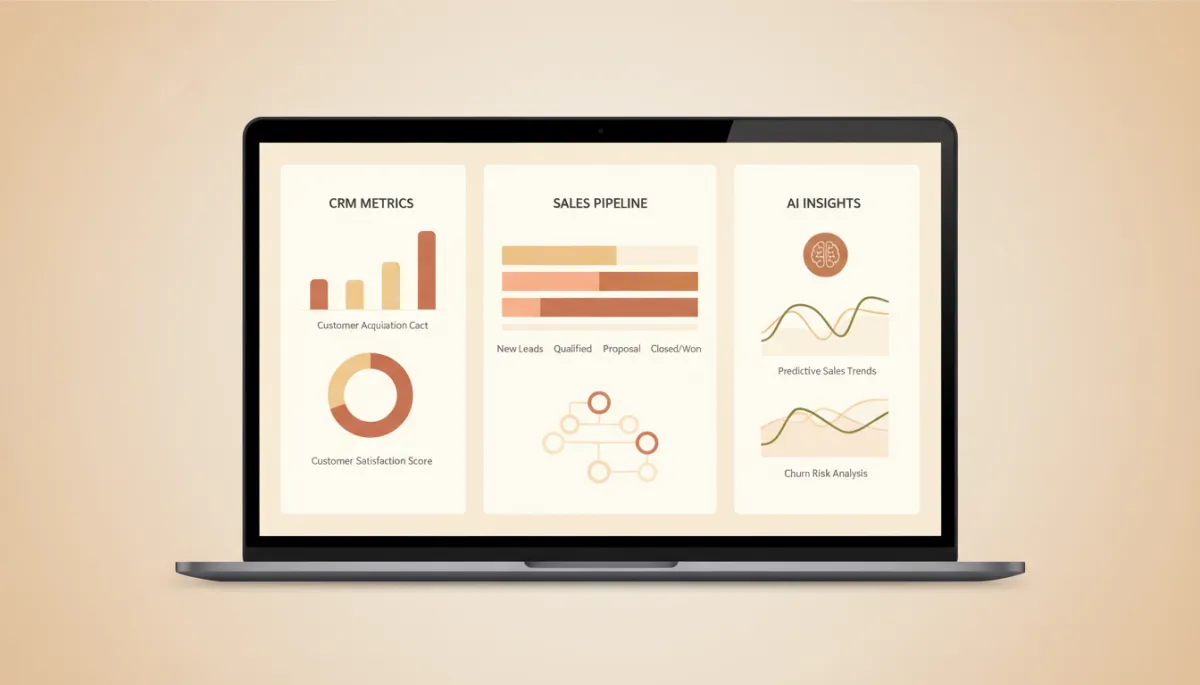
Unified dashboards turn scattered data into clear, actionable business intelligence.
Using Data to Improve Outcomes Across Your Business
When you embrace a data-driven mindset, you start asking a different set of questions: What does the data say? How can we test this idea? Where are we losing people in the journey? This shift naturally leads to better outcomes, because you are constantly learning and adjusting instead of repeating the same assumptions month after month.
Here are a few practical ways businesses and agencies use data to Improve Outcomes:
Customer experience: Track support tickets, response times, and satisfaction scores to spot recurring issues and proactively fix them. Over time, this reduces churn and builds loyalty.
Marketing performance: Compare campaign performance by audience, channel, and message. Pause what is underperforming, double down on what works, and use Data Analysis to refine your targeting.
Service delivery: Measure project timelines, revision cycles, and scope creep. Data helps you streamline processes, set clearer expectations, and deliver smoother experiences for clients.
💡 Friendly Tip: Pick one area — like lead conversion or client retention — and build a simple dashboard around it. Small, focused wins make data habits stick.
How Data Drives Revenue Growth in a Practical Way
At the end of the day, most leaders want one thing from their data: clear paths to Revenue Growth. The good news is that when you manage your information well, revenue becomes a natural byproduct of smarter decisions and improved performance. Here are some of the most effective ways data fuels the top line for businesses and agencies.
1. Finding Your Highest-Value Customers
Not all customers are equal. Some buy once and disappear, while others become long-term partners or repeat buyers. By using your CRM and sales data to segment customers by lifetime value, industry, or behavior, you can identify your best-fit segments. Then you can tailor offers, nurture campaigns, and outreach specifically to them. This focus often leads to higher close rates and larger deal sizes without increasing your marketing spend.
2. Optimizing Pricing and Packaging
Data also helps you refine what you sell and how you price it. By analyzing win and loss data, proposal feedback, and discount patterns, you can see which offers resonate and where you leave money on the table. Some organizations use ai-driven tools to simulate different pricing scenarios, estimate demand, and predict revenue impact before making a change. Even without advanced tools, regularly reviewing your numbers can uncover simple adjustments that significantly Improve Outcomes for your margins.
3. Reducing Leakage in the Sales Funnel
Every sales funnel has leaks — leads that go cold, proposals that never get a response, or deals that stall. With a strong business intelligence setup pulling from your CRM, you can see exactly where prospects tend to drop off. From there, it is easier to design targeted interventions: better follow-up sequences, clearer proposals, or additional content to answer common objections. Each small improvement in conversion rate contributes directly to Revenue Growth.

Small conversion lifts at each funnel stage compound into major revenue gains.
Building a Data-Driven Culture Without Overwhelm
Becoming truly Data-driven is not just a technology project. It is a culture shift. The most successful businesses and agencies treat data as part of everyday conversations, not a quarterly report that only leadership sees. The goal is to make information accessible, understandable, and genuinely useful for your teams.
Start simple: Choose a handful of key metrics that matter most to your goals, such as qualified leads, average deal size, project profitability, or churn rate.
Make it visual: Use clear dashboards instead of complex spreadsheets. Modern tools, often with built-in ai features, make it easy to visualize trends, not just raw numbers.
Share openly: Give teams access to the data that affects their work and encourage them to ask questions and propose experiments based on what they see.
💡 Friendly Tip: Celebrate wins that come from data-informed ideas. When people see that insights lead to real improvements, they are more likely to embrace new habits.
Bringing It All Together: Let Data Lead the Way
When you step back, the picture is clear: data is king because it touches every part of your organization. It shapes your Business Decisions, helps you Improve Outcomes for customers and teams, and unlocks new paths to Revenue Growth. With the right mix of Data Analysis, business intelligence tools, and even light-touch ai, your everyday systems — from your CRM to your marketing platform — become powerful engines for growth.
You do not need to transform everything overnight. Start with the data you already have, focus on one or two key questions, and build from there. As you get more comfortable, you will find that being data-driven feels less like a buzzword and more like a practical, friendly way to run your business: clear goals, honest numbers, and continuous learning.
In a market that moves quickly and rewards those who adapt, putting data at the center of your strategy is one of the smartest choices you can make. Treat data as the king it is, and it will repay you with sharper insights, better decisions, and a healthier bottom line for years to come.
Explore the CRM and automation tools behind these ideas.
Explore Products